Sumplify
  • About
  • DevOps
    • Use Cases
    • Transformation Model
    • Operating Model
  • Careers
  • Contact

DevOps Operating Model

We built this Model to solve the problem of pipeline in place but low software delivery throughput and stability, which looks like:
  • ​low deployment frequency
  • high lead time for changes
  • high time to restore service
  • high change fail rate
By providing specific guidance to teams how they help the primary application or service they work on achieve these global outcomes of high throughput and stability.
​
start with YOUR USE CASE
Picture
Picture
Our Model addresses common painpoints that lower software delivery throughput and stability, examples include:
  • unclear ownership resulting in dropped handoffs (e.g. who will own the main trunk, who owns renewing certificates, etc)
  • low test code coverage %'s result in large amount of untested code​
  • different custom software versions result in broken code in production
  • hot fixes can’t be reproduced
  • handoffs and dependencies accessing build failure log streams delays trouble shooting
  • extended time to restore service due to lack of proactive dev access to application internals monitoring
  • increased public cloud costs due to unmanaged environments
Picture

Picture
Our Model includes a detailed iterative implementation approach which details by iteration:
  • cultural preparation for change and adoption​
  • specific automation and integration points in line with delivery pipeline and crucial feedback loops
  • detailed process checklists for Platform and Release Engineering processes
  • key actors and teams involved
  • implementation sequence and pre-requisites​
​Our Model is​:
  • ​applicable to any application type and project​ ​
​
Picture

Picture
Our Model includes standard, reusable DevOps processes improving repeatability, scale and solution health:
Standard DevOps Processes:
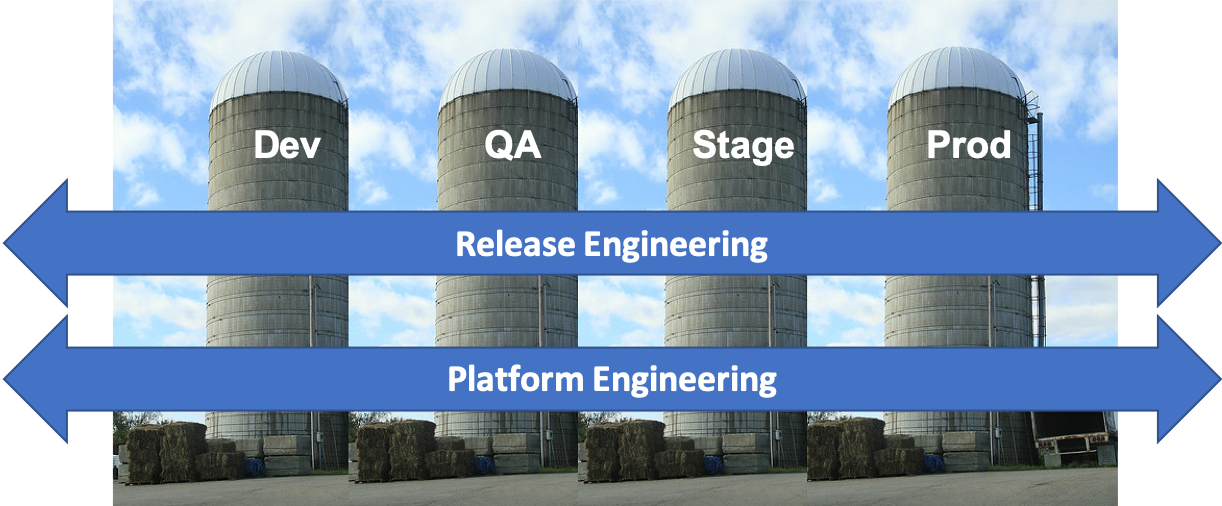
  • Platform Engineering guiding infrastructure needs across the full software lifecycle, includes:
    • ​shared platforms
    • shareable infrastructure code
    • telemetry solutions
    • core infrastructure automation
  • Release Engineering​​ guiding code across the full software lifecycle, includes:
    • ​build health/branch management
    • deployment health
    • environment management
    • ​secrets management
    • productivity automation
Picture
Picture
You identify a problematic application or service where you are experiencing low throughput and/or stability
We uncover your specific painpoints and constraint(s) employing select methods (pipeline assessment, value stream mapping,
pipeline PoC, etc)
We customize your implementation approach accordingly, targeting key practices and capabilities such as:
  • culture of psychological safety
  • clear change process
  • continuous delivery
  • cloud
We lead you through your implementation addressing your painpoints and unblocking your constraint(s)

​Contact us to learn how we can address your DevOps painpoints and accelerate your time to value.

Balancing Top Down and Bottom Up Guidance
​


​
Why we talk about "top down" and "bottom up" guidance.
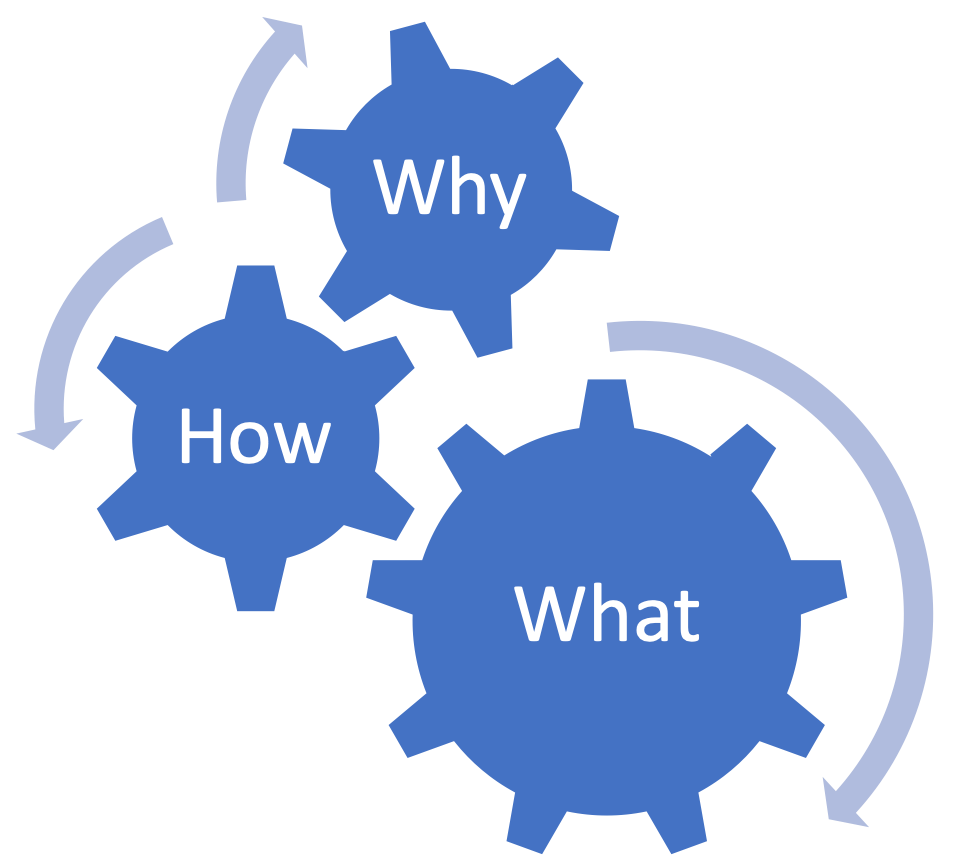
​We found the industry offers a wealth of valuable “top down” guidance regarding theory, principles, practices, etc (e.g. The DevOps Handbook, DORA Accelerate, SAFe, etc) and we found there was an absence of equally important “bottom up" guidance (e.g. operating model: what, how, who, when, etc). ​
Picture

​​Why you need both "top down" AND "bottom up" guidance.
Top Down Guidance
(e.g. The DevOps Handbook, DORA Accelerate, SAFe, etc)
​
Establish theory and practices
Define practices
​Describe capabilities and competencies

Prove DevOps value is real and achievable across industries
Bottom Up Guidance
(e.g. Our DevOps Standard Operating Model)

Define critical success factors and MBOs
​Implement practices with processes
Implement capabilities and competencies with detailed what, how, who, when and prerequisites
How to realize and achieve DevOps value in your specific project

VALUABLE TOP DOWN GUIDANCE
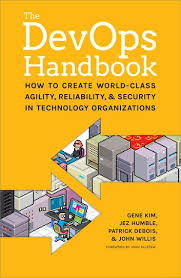
“The purpose of the DevOps Handbook is - to give you the theory, principles and practices you need to successfully start your DevOps initiative and achieve your desired outcomes.” (Introduction)
“Our goal in writing this book is to share what we have learned so that we can help organizations excel, grow happier teams who deliver better software faster, and help individuals and organizations thrive.” (Preface)
“Our research has identified 24 key capabilities that drive improvement in software delivery performance and, in turn, organizational performance.” “This book will get you started on defining and measuring these capabilities.“ (Part One/Chapter One)
"SAFe® for Lean Enterprises is a knowledge base of proven, integrated principles, practices, and competencies for Lean, Agile, and DevOps." (SAFe website)
Picture
Picture
Picture

​EQUALLY IMPORTANT BOTTOM UP GUIDANCE
The purpose of our DevOps Standard Operating Model is to give you the process checklists, automation and integration points, roles, sequencing and prerequisites you need to successfully implement the DevOps theory, principles, practices, capabilities and competencies.
Copyright © 2020 Sumplify. All rights reserved.
  • About
  • DevOps
    • Use Cases
    • Transformation Model
    • Operating Model
  • Careers
  • Contact